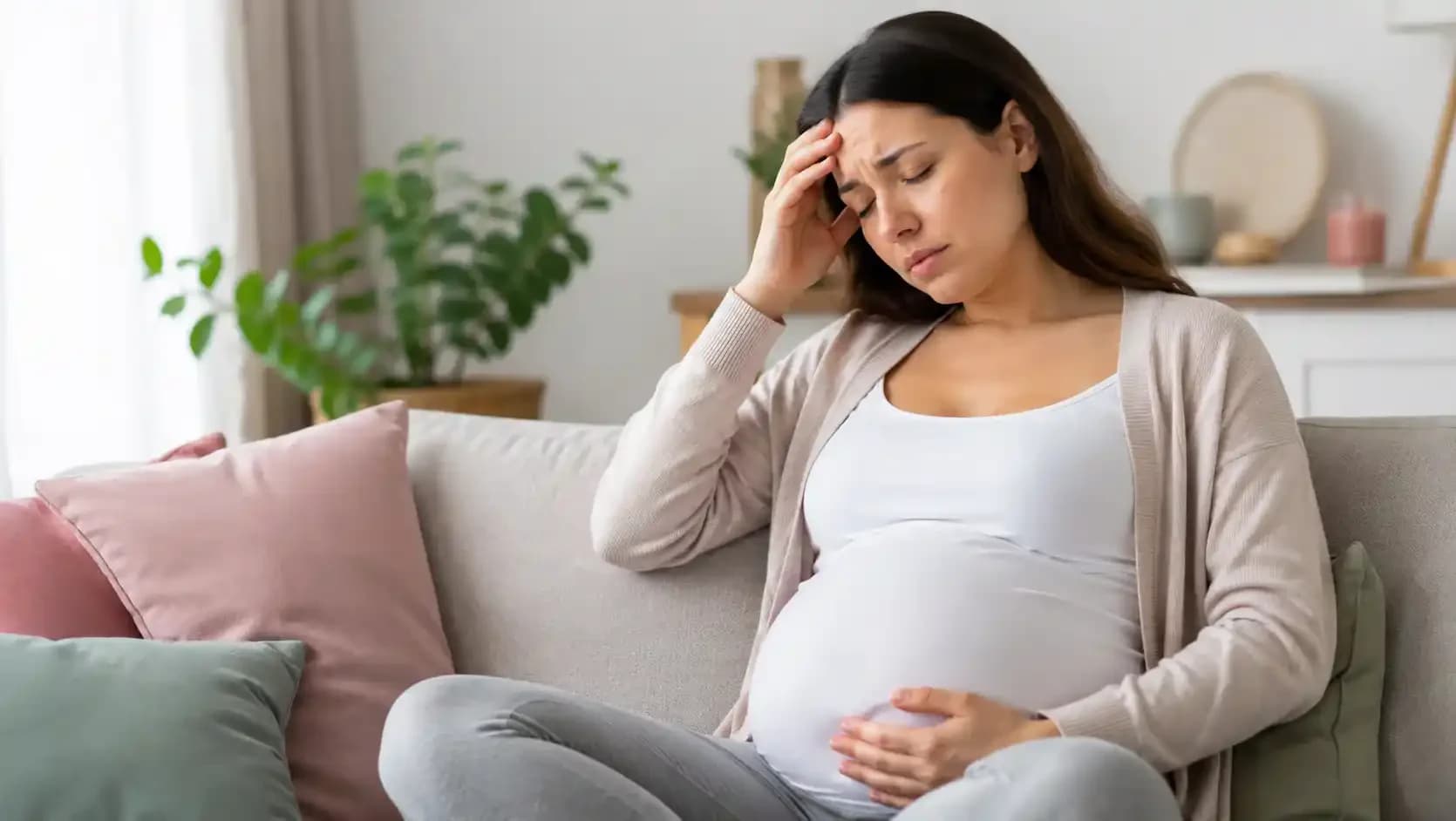
Symptoms of Low Iron Pregnancy
Iron plays a vital role throughout pregnancy, supporting both the mother's health and the baby's growth and development. As the body's demand for iron increases, many women experience low iron levels in pregnancy, sometimes without realizing it until symptoms become more noticeable. Recognizing the symptoms of low iron pregnancy early can help prevent complications and ensure timely treatment. In this guide, you'll learn the common warning signs, possible causes, treatment options, and practical ways to maintain healthy iron levels during every stage of pregnancy. During pregnancy, your body needs more iron to produce hemoglobin and support the increased blood volume required to deliver oxygen to both you and your baby. Healthy iron levels also contribute to fetal growth, brain development, and normal energy levels. When low iron levels in pregnancy occur, they may reduce oxygen delivery, increasing the risk of fatigue and other symptoms of low iron pregnancy. Maintaining adequate iron intake through a balanced diet, prenatal care, and supplements when recommended is essential for a healthy pregnancy. At kbly, we provide evidence-based pregnancy and nutrition resources to help expectant mothers understand essential nutrients and make informed decisions for a healthier pregnancy. Pregnancy naturally increases the body's demand for iron, making iron deficiency more common than at other stages of life. While some women enter pregnancy with healthy iron stores, others may develop low iron levels in pregnancy as their nutritional needs continue to rise. Understanding the underlying causes can help reduce the risk of developing symptoms of low iron pregnancy and support better maternal and fetal health. One of the biggest changes during pregnancy is the significant increase in blood volume, which helps deliver oxygen and nutrients to the growing baby. To produce enough additional red blood cells, the body requires more iron. If iron intake does not keep pace with this increased demand, iron stores may gradually decline, leading to low iron levels in pregnancy. As the baby grows, iron is needed to support the development of organs, muscles, and the brain. The fetus also builds its own iron stores for the first few months after birth, drawing on the mother's iron supply. Without adequate dietary intake or supplementation when needed, this increased demand can contribute to iron deficiency during pregnancy. Not consuming enough iron-rich foods is another common reason for low iron levels in pregnancy. Women who eat limited amounts of lean red meat, poultry, seafood, beans, lentils, fortified cereals, or dark leafy greens may struggle to meet their daily iron requirements. In addition, consuming foods or drinks such as tea, coffee, or large amounts of calcium alongside iron-rich meals may reduce iron absorption. Women expecting twins or higher-order multiples require even more iron because they are supporting the growth of more than one baby. Likewise, pregnancies that occur close together may not give the body enough time to replenish iron stores after childbirth, increasing the likelihood of developing symptoms of low iron pregnancy during a subsequent pregnancy. At kbly, you'll find trusted pregnancy and wellness resources that explain how proper nutrition and early prenatal care can help support healthy iron levels for both mother and baby. Read More: Benefits of D3 and K2 The symptoms of low iron pregnancy can develop gradually and may be mistaken for the normal physical changes that occur during pregnancy. However, when iron levels continue to decline, these symptoms often become more noticeable and may interfere with daily activities. Recognizing the early warning signs can help you seek medical advice before iron deficiency becomes more severe. Fatigue is common during pregnancy, but low iron levels in pregnancy can cause persistent tiredness and weakness that don't improve with rest. Because iron helps carry oxygen throughout the body, reduced iron levels may leave you with less energy and contribute to symptoms of low iron pregnancy. Mild shortness of breath can be normal during pregnancy, but low iron levels in pregnancy may make it more noticeable by reducing the body's ability to transport oxygen efficiently. This can cause breathlessness even during everyday activities and may be one of the symptoms of low iron pregnancy. At kbly, we provide evidence-based pregnancy resources that help you recognize nutritional deficiencies early and support a healthier pregnancy through informed choices. Reduced oxygen delivery caused by iron deficiency may contribute to dizziness, lightheadedness, or recurring headaches. These symptoms are more likely to appear during physical activity, after standing for long periods, or when moving quickly from sitting to standing. Iron plays an important role in healthy red blood cell production, so low levels may affect your appearance as well as your energy. Some women develop noticeably pale skin, especially around the face or the inside of the eyelids, while others experience weak or brittle nails that break more easily than usual. When iron stores are low, the heart may pump faster to compensate for the reduced oxygen-carrying capacity of the blood. This can cause a racing heartbeat or an increased awareness of your heartbeat, particularly during physical activity. Persistent or severe heart palpitations should always be discussed with your healthcare provider. Iron deficiency can also affect cognitive function, making it harder to stay focused or think clearly. Some pregnant women describe this as brain fog, finding it more difficult to concentrate on everyday tasks or remember information. When combined with fatigue, this symptom may have a noticeable impact on daily life. Learn More: magnesium deficiency symptoms uk Because symptoms of low iron pregnancy can be similar to normal pregnancy changes, healthcare providers confirm low iron levels in pregnancy using blood tests, including: Hemoglobin (Hb) Test: Checks for anemia by measuring hemoglobin levels. Ferritin Test: Measures the body's iron stores and can detect iron deficiency early. Complete Blood Count (CBC): Evaluates the number and condition of red blood cells. Routine Prenatal Screening: Regular blood tests during pregnancy help monitor iron levels. Follow-Up Testing: Additional tests may be needed to monitor recovery after treatment. Treatment for low iron levels in pregnancy typically includes dietary changes, iron supplements, or both, depending on the severity of the deficiency. Early treatment can help restore healthy iron levels and reduce the symptoms of low iron pregnancy. Including iron-rich foods in your daily meals can help improve low iron levels in pregnancy. Good sources include lean red meat, poultry, pregnancy-safe fish, beans, lentils, dark leafy greens such as spinach and kale, iron-fortified cereals, as well as pumpkin seeds and dried fruits like raisins and apricots. If diet alone isn't enough, your healthcare provider may recommend iron supplements to restore low iron levels in pregnancy. Take them only as directed, follow the recommended dosage, and continue treatment until advised otherwise. Your healthcare provider may also recommend follow-up blood tests to monitor your progress. To help your body absorb iron more effectively, pair iron-rich foods or supplements with vitamin C-rich foods, avoid tea or coffee with meals, and take calcium supplements at a different time from iron supplements if possible. Maintaining a balanced diet and attending regular prenatal checkups can also support healthy iron levels throughout pregnancy. Explore More: best time to take vitamin k2 and d3 Preventing low iron levels in pregnancy starts with a balanced diet rich in iron-containing foods, along with vitamin C-rich foods to improve iron absorption. Limiting tea and coffee around mealtimes, taking prenatal vitamins or iron supplements as recommended, and attending regular prenatal checkups can help maintain healthy iron levels, reduce the risk of developing symptoms of low iron pregnancy, and support the well-being of both mother and baby. Contact your healthcare provider if you experience persistent or worsening symptoms of low iron pregnancy, such as severe fatigue, dizziness, shortness of breath, a rapid heartbeat, or frequent headaches. Early evaluation can identify low iron levels in pregnancy before complications develop, while regular prenatal checkups help ensure timely treatment and support a healthy pregnancy for both mother and baby. Common symptoms of low iron pregnancy include persistent fatigue, weakness, shortness of breath, dizziness, headaches, pale skin, rapid heartbeat, and difficulty concentrating. A blood test is the most reliable way to confirm iron deficiency. Low iron levels in pregnancy are commonly caused by increased blood volume, the growing baby's higher iron requirements, inadequate dietary iron intake, or closely spaced or multiple pregnancies, all of which increase the body's demand for iron. Yes. If left untreated, low iron during pregnancy may increase the risk of preterm birth, low birth weight, and reduced iron stores in the baby. Early diagnosis and appropriate treatment can help support a healthy pregnancy and fetal development. Take care of your health throughout every stage of pregnancy with the right knowledge and nutritional support. Explore more expert guides on kbly to learn how to maintain healthy iron levels, recognize early warning signs, and make informed choices that support both you and your baby's well-being.Why Is Iron So Important During Pregnancy?
What Causes Low Iron Levels in Pregnancy?
Increased Blood Volume
Higher Iron Requirements for the Baby
Poor Dietary Intake
Multiple Pregnancies or Closely Spaced Pregnancies
Symptoms of Low Iron Pregnancy
Persistent Fatigue and Weakness
Shortness of Breath
Dizziness or Frequent Headaches
Pale Skin and Brittle Nails
Rapid Heartbeat
Difficulty Concentrating
How Is Low Iron During Pregnancy Diagnosed?
How to Treat Low Iron Levels in Pregnancy
Iron-Rich Foods
Iron Supplements
Tips to Improve Iron Absorption
How to Prevent Low Iron During Pregnancy
When Should You Contact Your Healthcare Provider?
Frequently Asked Questions
What are the symptoms of low iron pregnancy?
What causes low iron levels in pregnancy?
Can low iron during pregnancy affect the baby?