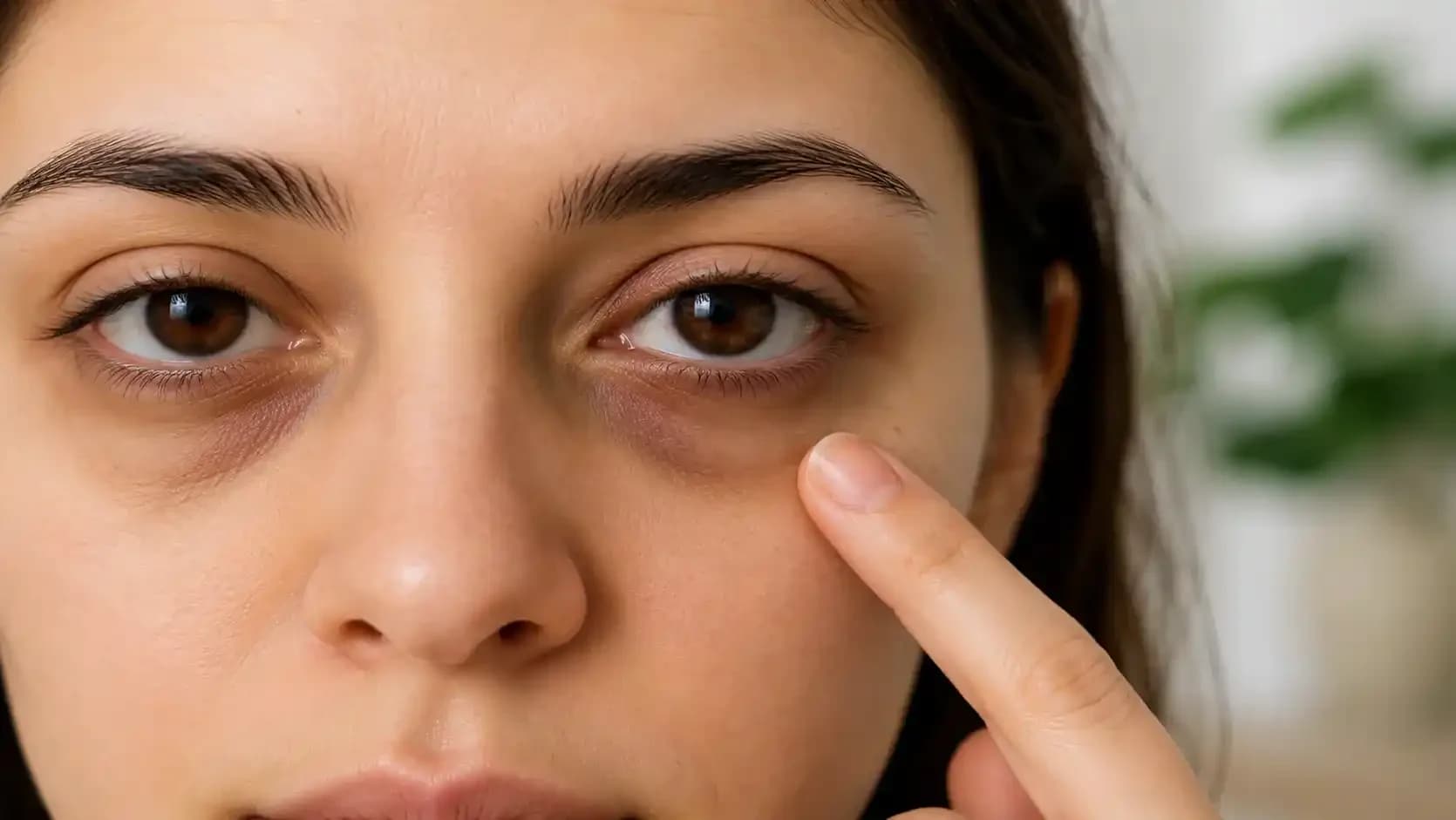
Iron Deficiency Dark Circles
Dark circles under the eyes are a common concern and can develop for many reasons, including lack of sleep, aging, allergies, and genetics. However, nutritional deficiencies may also play a role, leading many people to search for the connection between iron deficiency dark circles. Iron is essential for healthy red blood cell production and oxygen transport throughout the body. When iron levels become too low, reduced oxygen delivery and paler skin may make dark circles appear more noticeable. Understanding this relationship can help identify the underlying cause and guide appropriate treatment for healthier-looking skin. The relationship between iron deficiency dark circles is linked to the way iron supports healthy blood circulation and oxygen delivery throughout the body. Iron is needed to produce hemoglobin, the protein in red blood cells that carries oxygen to tissues, including the delicate skin under the eyes. When iron levels are low, reduced oxygen delivery and paler skin may make the blood vessels beneath the eyes more visible, causing dark circles to appear more noticeable. Although iron deficiency can contribute to under-eye darkness in some people, it is not the only possible cause. Genetics, lack of sleep, aging, allergies, dehydration, and lifestyle habits can also lead to dark circles. If under-eye discoloration is accompanied by symptoms such as fatigue, dizziness, or pale skin, a healthcare provider may recommend blood tests to determine whether iron deficiency is the underlying cause. Explore kbly for trusted nutrition and wellness resources that explain iron deficiency, its symptoms, and practical ways to support healthy iron levels. Read More: which type of magnesium is best for sleep Iron deficiency may contribute to under-eye darkness by affecting blood circulation and the appearance of the skin. While iron deficiency dark circles are not experienced by everyone with low iron levels, the following factors may make them more noticeable: Reduced Oxygen Delivery: Low iron levels can decrease the amount of oxygen carried to body tissues, including the skin under the eyes, making the area appear darker. Paler Skin Tone: Iron deficiency may cause the skin to become paler, making the blood vessels beneath the thin under-eye skin more visible. Fatigue and Poor Circulation: Ongoing tiredness and reduced circulation associated with iron deficiency can contribute to a dull, tired-looking appearance and make dark circles more noticeable. Dark circles caused by iron deficiency are often accompanied by other symptoms that indicate the body is not getting enough iron. If iron deficiency dark circles appear alongside the following signs, it may be worth discussing your symptoms with a healthcare provider: Persistent fatigue or low energy. Pale skin or pale inner eyelids. Frequent dizziness or lightheadedness. Shortness of breath during everyday activities. Headaches. Brittle nails or increased hair loss. Difficulty concentrating or reduced mental focus. These symptoms can have causes other than iron deficiency, so proper medical evaluation and blood tests are important to confirm the diagnosis and determine the most appropriate treatment. Learn More: Vitamin D Deficiency Iron deficiency can affect people of all ages, but some groups are more likely to develop low iron levels because of increased nutritional needs, blood loss, or reduced iron absorption. Since iron deficiency dark circles may be one of the visible signs of low iron, recognizing these risk factors can help encourage early testing and treatment before more serious symptoms develop. People at higher risk include pregnant women, women with heavy menstrual bleeding, children and teenagers during periods of rapid growth, vegetarians and vegans with low dietary iron intake, and individuals with digestive conditions that reduce iron absorption. Anyone experiencing persistent dark circles together with fatigue, dizziness, or pale skin should consult a healthcare provider to determine whether iron deficiency may be the underlying cause. kbly provides reliable nutrition and wellness resources to help you better understand iron deficiency and make informed health decisions. Because iron deficiency dark circles can have many possible causes, healthcare providers rely on blood tests rather than appearance alone to confirm iron deficiency. If dark circles are accompanied by fatigue, dizziness, or other symptoms, your healthcare provider may recommend: Hemoglobin (Hb) Test: Measures hemoglobin levels to check for anemia. Ferritin Test: Evaluates the body's iron stores and is one of the most reliable tests for detecting iron deficiency. Complete Blood Count (CBC): Assesses the number, size, and overall health of red blood cells. Additional Tests: If needed, further investigations may be performed to identify the underlying cause of iron deficiency, such as blood loss or reduced iron absorption. The World Health Organization emphasizes the importance of early diagnosis and appropriate treatment of iron deficiency to help prevent complications and support overall health. Yes, iron deficiency dark circles may become less noticeable once healthy iron levels are restored, particularly if iron deficiency is the underlying cause. As treatment improves oxygen delivery and supports healthy red blood cell production, skin tone may gradually appear healthier, reducing the visibility of under-eye discoloration. However, improvement often takes several weeks or months and varies depending on the severity of the deficiency and individual response to treatment. It's important to remember that dark circles can have multiple causes, including genetics, aging, allergies, and lack of sleep. If they persist despite correcting iron deficiency, a healthcare provider or dermatologist can help identify other contributing factors and recommend the most appropriate treatment. Discover more expert articles on kbly covering iron deficiency, healthy nutrition, and evidence-based supplement advice to support your overall well-being. Continue Reading: Vitamin D Deficiency Treating iron deficiency dark circles starts with correcting the underlying iron deficiency rather than focusing only on the appearance of the skin. Once healthy iron levels begin to recover, dark circles may gradually become less noticeable. Treatment usually involves a combination of dietary improvements, supplementation when needed, and healthy lifestyle habits. Eating more iron-rich foods is one of the first steps in restoring healthy iron levels. Good sources include lean red meat, poultry, fish, beans, lentils, spinach, fortified cereals, and pumpkin seeds. Combining these foods with vitamin C-rich fruits and vegetables can also help your body absorb iron more efficiently. If dietary changes alone are not enough, your healthcare provider may recommend iron supplements based on your blood test results. It's important to take supplements exactly as prescribed and continue treatment for the recommended duration, even if your symptoms begin to improve, to fully replenish your body's iron stores. In addition to treating iron deficiency, maintaining a healthy lifestyle can help improve the appearance of the under-eye area. Getting enough sleep, staying well hydrated, eating a balanced diet, and protecting your skin from excessive sun exposure can all support healthier-looking skin while your iron levels recover. Preventing iron deficiency begins with maintaining healthy daily habits that support adequate iron intake and absorption. While iron deficiency dark circles may improve with treatment, preventing low iron levels is the best way to reduce the risk of developing them in the first place. Eat a balanced diet that includes iron-rich foods such as lean meats, beans, lentils, spinach, and fortified cereals. Pair iron-rich meals with vitamin C-rich foods to improve iron absorption. Avoid drinking tea or coffee immediately before or after meals, as they can reduce iron absorption. Follow your healthcare provider's advice regarding iron supplements if you're at increased risk of deficiency. Schedule regular health checkups if you're pregnant, have heavy menstrual bleeding, or have a condition that affects iron absorption. Find practical wellness tips and trusted information on kbly to help you recognize iron deficiency early and maintain healthy iron levels. View Details: magnesium benefits for skin While dark circles are often harmless, persistent discoloration accompanied by symptoms such as fatigue, dizziness, pale skin, or shortness of breath may indicate an underlying iron deficiency. If you suspect iron deficiency dark circles, it's important to consult a healthcare provider rather than relying on self-diagnosis. Blood tests can determine whether low iron levels are contributing to your symptoms and help guide the most appropriate treatment. Seek medical attention promptly if your symptoms worsen, interfere with daily activities, or do not improve despite dietary changes or iron supplementation. Yes. Iron deficiency dark circles can develop when low iron levels reduce oxygen delivery to the skin, making the blood vessels beneath the eyes more noticeable. If iron deficiency is the underlying cause, dark circles may gradually improve as healthy iron levels are restored. However, the improvement varies from person to person. Dark circles related to iron deficiency are often accompanied by symptoms such as fatigue, pale skin, dizziness, or shortness of breath. A healthcare provider can confirm the diagnosis through blood tests, including hemoglobin and ferritin levels. If you're concerned about iron deficiency dark circles, addressing the underlying cause is the first step toward healthier-looking skin and better overall well-being. Explore kbly for trusted articles on iron deficiency, nutrition, and evidence-based supplements to help you make informed choices and support your health with confidence.What Is the Connection Between Iron Deficiency and Dark Circles?
How Can Iron Deficiency Cause Dark Circles?
Symptoms That May Accompany Iron Deficiency Dark Circles
Who Is Most at Risk of Iron Deficiency?
How Is Iron Deficiency Diagnosed?
Can Dark Circles Improve After Treating Iron Deficiency?
How to Treat Iron Deficiency Dark Circles
Improve Your Iron Intake
Take Iron Supplements if Recommended
Support Healthy Skin and Overall Wellness
Tips to Help Prevent Iron Deficiency
When Should You See a Healthcare Provider?
Frequently Asked Questions
Can iron deficiency cause dark circles?
Will dark circles disappear after treating iron deficiency?
How do I know if my dark circles are caused by low iron?