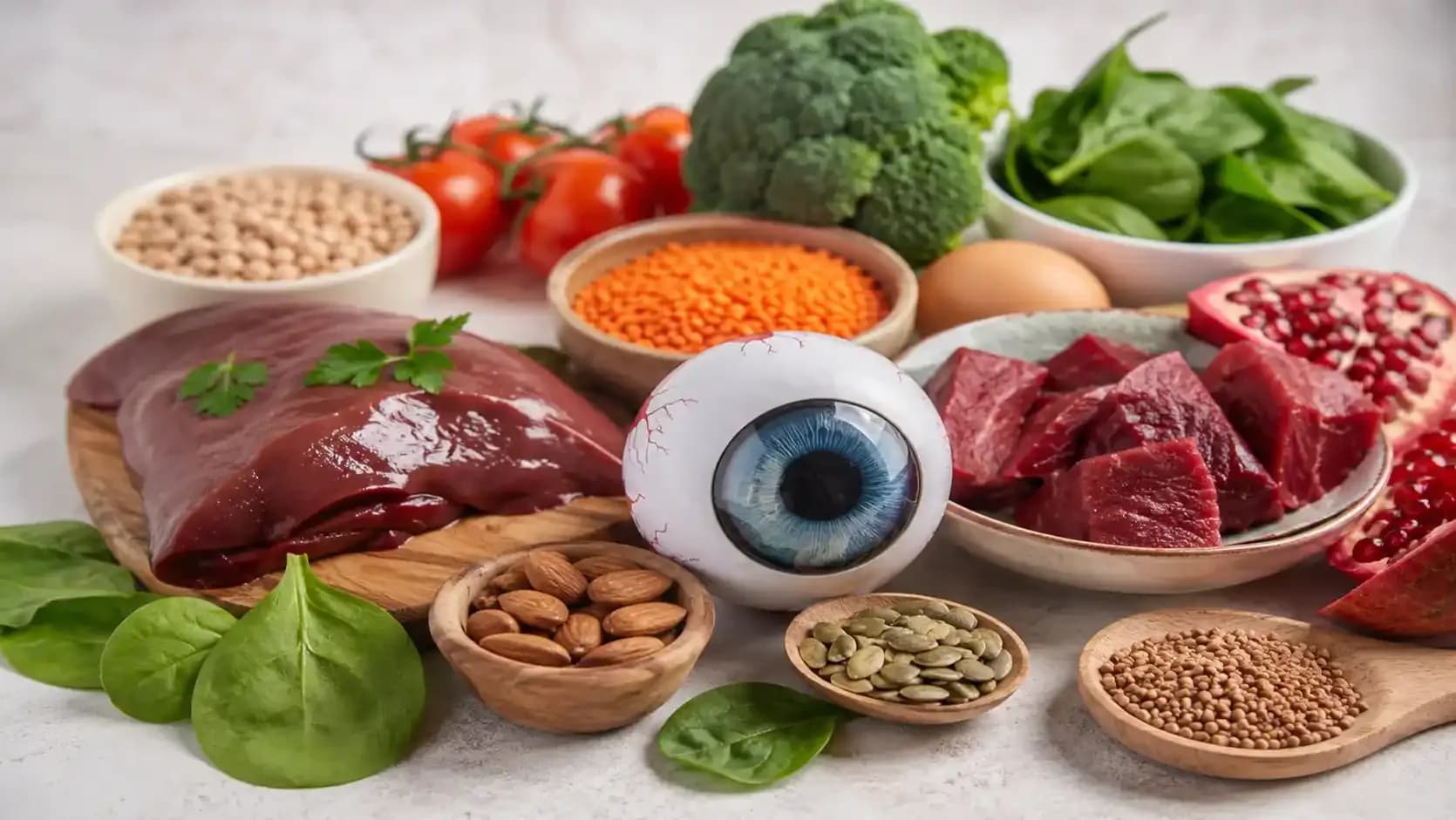
Can Low Iron Affect Vision?
Iron is essential for many functions throughout the body, including the production of healthy red blood cells that deliver oxygen to tissues and organs. When iron levels become too low, the effects can extend beyond fatigue and weakness, sometimes impacting eye health as well. This leads many people to ask, can low iron affect vision and whether iron deficiency may contribute to changes in eyesight. Understanding the connection between iron deficiency and vision can help you recognize early warning signs, seek appropriate treatment, and protect both your overall health and your eyesight. Yes, can low iron affect vision is a common question because iron deficiency may reduce the amount of oxygen reaching the eyes and optic tissues. Although vision changes are not usually the first sign of iron deficiency, they can develop if low iron levels become more severe or remain untreated. Possible vision-related symptoms include: Blurred vision. Difficulty focusing on nearby or distant objects. Eye fatigue, especially after reading or screen use. Temporary visual disturbances, such as dim vision or seeing spots. Vision changes accompanied by fatigue, dizziness, headaches, or weakness. Because these symptoms can also be caused by other eye or medical conditions, it's important to consult a healthcare provider for an accurate diagnosis rather than assuming iron deficiency is the only cause. At kbly, we provide evidence-based health and nutrition resources to help you understand the causes of iron deficiency and how it may affect your overall well-being, including your eye health. Read More: Benefits of D3 and K2 Iron supports healthy blood circulation and oxygen delivery to every part of the body, including the eyes. When iron stores become depleted, the eyes may not receive enough oxygen to function at their best. While not everyone with iron deficiency experiences vision problems, prolonged or severe deficiency can affect different parts of the visual system. Healthy red blood cells rely on iron to transport oxygen. When iron levels are too low, reduced oxygen delivery may affect the tissues of the eye, potentially leading to symptoms such as eye fatigue, blurred vision, or difficulty focusing, especially during prolonged reading or screen use. The retina and optic nerve require a constant supply of oxygen and nutrients to process visual information effectively. In severe cases of iron deficiency, reduced oxygen availability may temporarily affect their normal function. Although uncommon, this is one reason people ask, can low iron affect vision, particularly when vision changes occur alongside other signs of iron deficiency. At kbly, we provide trusted wellness resources to help you understand how proper nutrition supports healthy vision and overall health. Iron deficiency may also contribute to general eye discomfort by reducing the body's ability to meet the increased oxygen demands of daily activities. As a result, some people experience tired eyes, reduced visual endurance, or slower recovery after prolonged visual tasks. Treating iron deficiency under medical guidance often helps improve these symptoms as healthy iron levels are restored. Learn More: magnesium deficiency symptoms uk If you're wondering can low iron affect vision, several visual symptoms may appear when iron deficiency becomes more severe. These symptoms don't occur in everyone, but they may indicate that the eyes and optic tissues are not receiving enough oxygen. Blurred vision that comes and goes. Difficulty focusing on reading or close-up tasks. Eye fatigue after screen time or prolonged visual work. Temporary visual disturbances, such as dim vision or seeing spots, especially when standing up quickly. Increased sensitivity to physical exhaustion while performing visual activities. At kbly, we provide trusted health and nutrition resources to help you understand how iron deficiency may affect your vision and overall well-being. Vision changes are often accompanied by other signs of iron deficiency, making it easier to identify the underlying problem. Common symptoms include: Persistent fatigue and low energy. Pale skin. Frequent headaches. Dizziness or lightheadedness. Shortness of breath. Rapid heartbeat. Difficulty concentrating or brain fog. Although iron deficiency can affect anyone, some people are more likely to experience vision-related symptoms due to low iron levels. Those at higher risk include: Pregnant women with increased iron requirements. Women with heavy menstrual bleeding. Children and teenagers during periods of rapid growth. Vegetarians and vegans who consume limited sources of heme iron. People with digestive disorders that reduce iron absorption. Individuals with chronic blood loss or long-term medical conditions. Keep Reading: best time to take vitamin k2 and d3 If vision changes are accompanied by other symptoms of iron deficiency, your healthcare provider may recommend blood tests to confirm the diagnosis. Common tests include: Hemoglobin (Hb): Detects anemia by measuring hemoglobin levels. Ferritin Test: Measures the body's stored iron and helps identify iron deficiency early. Complete Blood Count (CBC): Evaluates the size and number of red blood cells. Additional Blood Tests: May be recommended if another condition is suspected. If you're asking can low iron affect vision, the good news is that vision symptoms often improve once healthy iron levels are restored. Treatment depends on the cause and severity of the deficiency and may include the following: Eat more iron-rich foods, including lean red meat, poultry, beans, lentils, spinach, and iron-fortified cereals. Take iron supplements only if recommended by your healthcare provider. Pair iron-rich foods with vitamin C-rich foods to improve iron absorption. Treat any underlying condition contributing to iron deficiency, such as heavy menstrual bleeding or digestive disorders. Attend follow-up appointments to monitor your iron levels and recovery. In many cases, yes. If iron deficiency is the underlying cause, vision changes such as blurred vision or difficulty focusing often improve as iron levels return to normal. Recovery time varies depending on the severity of the deficiency and how quickly treatment begins. However, persistent or worsening vision problems should always be evaluated by an eye care professional to rule out other eye conditions. Maintaining healthy iron levels is one of the best ways to support both your overall health and your vision. Simple daily habits can help lower the risk of iron deficiency and its potential effects on eye function. Eat a balanced diet that includes iron-rich foods. Pair iron-rich meals with vitamin C-rich foods to improve absorption. Avoid drinking tea or coffee immediately after meals. Follow your healthcare provider's advice if you need iron supplements. Have your iron levels checked if you're at higher risk of iron deficiency. The World Health Organization emphasizes the importance of preventing iron deficiency through a balanced diet, early screening, and appropriate treatment, particularly for individuals at higher risk. Continue Reading: vitamin d3 and k2 benefits for skin Occasional eye strain is common, but persistent vision changes should not be ignored. If you're concerned that can low iron affect vision applies to your situation, seek medical advice if you notice: Ongoing blurred vision or difficulty focusing. Vision changes accompanied by fatigue, dizziness, or pale skin. Frequent headaches with visual disturbances. Symptoms that continue despite improving your diet. Sudden or severe vision loss, which requires immediate medical attention. Early diagnosis can identify iron deficiency before complications develop and help determine whether another eye condition is responsible for your symptoms. Yes. In some cases, iron deficiency may contribute to blurred vision, difficulty focusing, or eye fatigue due to reduced oxygen delivery to the eyes. It can. Blurred vision may occur in people with significant iron deficiency, although other eye conditions should also be considered. If iron deficiency is the underlying cause, vision symptoms often improve once healthy iron levels are restored through appropriate treatment. Concerned about how nutrition affects your vision and overall health? Explore more expert wellness guides on kbly for trusted information on iron deficiency, healthy eating, and evidence-based supplement advice to help you make informed health decisions.Can Low Iron Affect Vision?
How Does Iron Deficiency Affect Eye Health?
Reduced Oxygen Supply to the Eyes
Effects on the Retina and Optic Nerve
Impact on Overall Eye Function
Vision Problems That May Be Linked to Low Iron
Other Symptoms of Iron Deficiency That May Occur Alongside Vision Changes
Who Is More Likely to Experience Vision Problems from Low Iron?
How Is Iron Deficiency Diagnosed?
How to Treat Vision Problems Caused by Low Iron
Can Vision Improve After Treating Iron Deficiency?
How to Prevent Iron Deficiency and Protect Your Eye Health
When Should You See a Doctor?
Frequently Asked Questions
Can low iron affect vision?
Can iron deficiency cause blurry vision?
Will my vision improve after treating iron deficiency?